
- 0
- 1,048 word
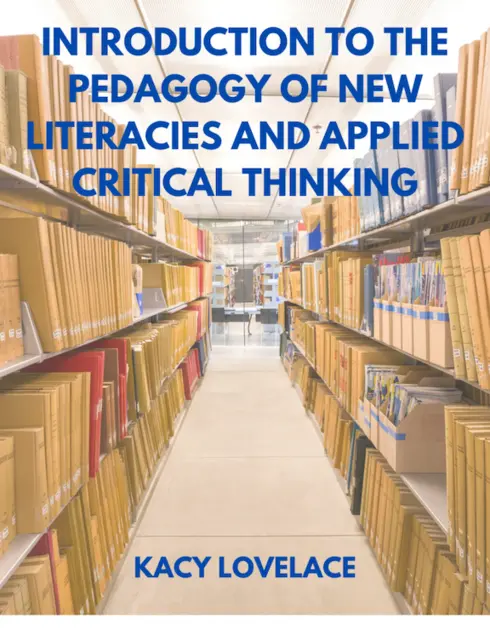
Learning has always evolved, but the way students engage with knowledge today is dramatically different from a decade ago. Introduction to the Pedagogy of New Literacies and Applied Critical Thinking shows that the pedagogy of new literacies combined with applied critical thinking isn’t just an educational trend—it’s a pathway to helping learners navigate information-rich environments, make informed decisions, and communicate ideas effectively. This approach bridges traditional learning methods with modern cognitive skills, ensuring that students not only consume content but also interact with it thoughtfully.
What Are New Literacies?
New literacies extend beyond reading and writing in the conventional sense. They encompass digital fluency, media literacy, visual literacy, and the ability to critically interpret online and offline content. Unlike traditional literacy, which focuses primarily on textual comprehension, new literacies equip learners to:
- Analyze multimedia content such as videos, podcasts, and infographics.
- Evaluate credibility and bias in digital sources.
- Collaborate effectively in online and hybrid learning spaces.
For example, a student using a platform like Netbookflix for interactive textbooks engages not just with text but with video lessons, quizzes, and peer discussions—all elements of new literacies in action.
Applied Critical Thinking: Beyond Memorization
Applied critical thinking emphasizes reasoning, evaluation, and problem-solving. It moves learners away from rote memorization toward questioning assumptions and assessing evidence. When paired with new literacies, applied critical thinking enables learners to:
- Identify patterns in data or arguments.
- Formulate evidence-based conclusions.
- Communicate complex ideas clearly and persuasively.
Consider a classroom discussion where students critique a news article online. Students practicing applied critical thinking don’t just read; they evaluate the source, challenge assumptions, and support their viewpoints with evidence. This hands-on approach builds lifelong analytical skills.
Why This Pedagogical Approach Matters
Integrating new literacies with applied critical thinking prepares learners for real-world challenges. Here’s why it’s impactful:
- Enhanced Decision-Making Skills
Students learn to sift through abundant information and make reasoned judgments, a crucial skill for both academic and professional contexts. - Improved Communication
By understanding different media and forms of expression, learners can convey ideas more effectively, whether in writing, presentations, or digital platforms. - Adaptability
Learning in diverse digital contexts fosters cognitive flexibility, allowing learners to adjust strategies according to the medium and task at hand. - Deep Engagement
Interactive content and critical thinking tasks keep learners invested, increasing retention and comprehension.
Strategies to Implement New Literacies and Critical Thinking
Educators and institutions can adopt several practical strategies to integrate these skills:
1. Incorporate Multimedia Resources
Use videos, podcasts, and interactive e-books to present content in multiple formats. Tools like Netbookflix allow learners to engage in self-paced, interactive learning, reinforcing comprehension and reflection.
2. Encourage Inquiry-Based Learning
Instead of providing answers, guide learners to ask questions and seek evidence. This nurtures curiosity and strengthens critical thinking.
3. Integrate Collaborative Projects
Group tasks that require discussion, research, and presentation help learners practice both literacy and reasoning skills in authentic scenarios.
4. Promote Reflection and Meta-Cognition
After tasks, encourage students to reflect on their learning process: what strategies worked, what challenges they faced, and how they can improve next time.
5. Use Real-World Case Studies
Applying critical thinking to real-world problems makes learning tangible and meaningful. For instance, analyzing a social media campaign or a news report can sharpen both literacy and analytical skills.
Practical Examples of Applied Learning
- Media Analysis: Students review news articles on climate change and assess sources, bias, and arguments.
- Interactive Digital Projects: Learners create multimedia presentations combining data analysis and narrative storytelling.
- Debates and Simulations: Structured debates allow students to defend viewpoints while critically evaluating opposing arguments.
These examples illustrate how new literacies and critical thinking are not abstract skills but actionable, engaging practices.
Benefits to Students
- Lifelong Learning: Skills gained extend beyond the classroom, fostering continuous growth.
- Enhanced Academic Performance: Learners can understand, synthesize, and communicate complex ideas more effectively.
- Career Preparedness: Critical thinking and digital literacy are highly valued in professional environments, from research to marketing to technology-driven roles.
- Empowered Decision-Making: Students become informed citizens capable of navigating misinformation and making thoughtful choices.
FAQs on Pedagogy of New Literacies and Applied Critical Thinking
- What is the difference between traditional literacy and new literacies?
Traditional literacy focuses on reading and writing text, while new literacies include digital, media, and visual comprehension along with collaborative skills. - How does applied critical thinking benefit students?
It strengthens problem-solving, reasoning, and decision-making skills, encouraging learners to evaluate evidence and form logical conclusions. - Can new literacies be taught online?
Absolutely. Platforms like Netbookflix provide interactive and multimedia-based learning environments that foster digital literacy and critical thinking. - Are these skills relevant only for older students?
No. Introducing new literacies and critical thinking early builds a foundation that enhances learning across all age groups. - How can teachers assess critical thinking?
Assessment can include project work, case study analyses, debates, reflective journals, and scenario-based tasks that require reasoning and evidence evaluation. - What role does technology play in this pedagogy?
Technology provides diverse content, collaboration tools, and interactive platforms that enable experiential learning and engagement with complex ideas. - Can critical thinking be applied to daily life?
Yes. From analyzing news to making informed purchases, these skills help individuals navigate everyday decisions intelligently. - How do new literacies improve engagement?
By integrating videos, interactive content, and collaborative tools, learners are more actively involved in the learning process, enhancing retention and understanding. - Is this approach suitable for group projects?
Definitely. Collaborative tasks require communication, reasoning, and digital skills, making group projects ideal for applying these pedagogical methods. - How can schools start integrating these concepts?
Begin with multimedia resources, inquiry-based tasks, reflective practices, and gradually incorporate collaborative projects and real-world problem-solving exercises.
Conclusion: A New Era of Learning
The pedagogy of new literacies and applied critical thinking represents a shift from passive learning to active, engaged, and meaningful education. Students are no longer just recipients of information—they become thinkers, analysts, and creators. Whether through digital platforms like Netbookflix, multimedia projects, or inquiry-driven assignments, this approach equips learners with the tools to navigate a complex, ever-changing world.
Educators embracing these methods empower students to critically assess content, communicate effectively, and make informed decisions, preparing them not just for exams but for life itself. The classroom becomes a hub of exploration, creativity, and thoughtful reasoning, shaping a generation of learners who are ready for the challenges and opportunities of the future.
Author

john@gmail.com
Related Posts
Best Audiobook Subscription in 2026 | Unlimited Audiobooks
- 0
- 1,138 word
Audiobooks have quietly become one of the smartest ways to read more without changing your daily routine. Whether you are commuting, cooking,...
Read out all
Best Preschool in Bangalore: Expert Guide to Top-Rated Early Learning Centers
- 0
- 927 words
Choosing the best preschool in Bangalore shapes your child’s everyday learning, social skills, and early curiosity. Look for best preschool that balance play-based...
Read out all