

- 0
- 867 words
You want a renovation companies that delivers quality, stays on schedule, and protects your budget. Choose a renovation company with proven local experience, clear project management, and transparent pricing to avoid surprises and get the results you expect.
This article walks you through how to evaluate contractors, compare services like kitchens, bathrooms, waterproofing, and full rebuilds, and judge project management practices so you can pick a team that fits your goals. You’ll learn practical signs of reliability and the questions to ask so you move from idea to finished space with confidence.
Selecting the Right Renovation Company
You need a contractor who delivers accurate bids, reliable timelines, and solid workmanship. Focus on licensing, references, clear contracts, and communication to avoid surprises and cost overruns.
Key Qualities to Look for in Renovation Companies
Look for proper licensing and insurance first. Ask for copies of licenses, proof of liability insurance, and worker’s compensation; this protects you if something goes wrong on site.
Check verifiable references and recent project photos. Speak to past clients about schedule adherence, change-order handling, and final clean-up. Prioritize companies that show before-and-after photos and provide contactable references from projects similar to yours.
Evaluate communication and project management processes. Confirm whether a dedicated project manager will be assigned, how often you’ll receive progress updates, and which tools they use for scheduling and documentation. Transparent pricing and detailed written estimates reduce the chance of hidden fees.
Comparing Local and National Firms
Local firms often know municipal permitting rules and have established subcontractor relationships in your neighborhood. That familiarity can speed inspections and reduce unexpected delays tied to local regulations.
National firms may offer broader warranties, standardized processes, and stronger buying power for materials. Expect more rigid timelines but potentially higher overhead costs passed to you.
Compare based on these practical factors:
- Response time to requests and site visits.
- Depth of local references and recent projects within your area.
- Warranty terms, who honors them locally, and how claims are handled. Balance these elements against project scale: choose local specialists for custom, detail-focused work and larger firms for multi-unit or high-volume projects.
Questions to Ask Before Hiring
Ask for a written estimate that itemizes labor, materials, permits, and allowances. Insist on payment schedule milestones tied to completed work, not calendar dates.
Request a detailed contract that includes start/end dates, scope changes, cleanup responsibilities, and dispute resolution steps. Confirm who will pull permits and how change orders will be priced and approved.
Verify subcontractors and suppliers: who they are, their warranties, and whether the main contractor carries responsibility for their work. Ask about cleanup, site security, and daily working hours to reduce neighborhood disruption.
Finally, confirm communication preferences and escalation paths. Ask who your direct contact will be, how frequently you’ll get updates, and the procedure for addressing defects after completion.
Renovation Services and Project Management
You’ll learn what types of projects renovation firms handle, how they sequence work and approvals, and the cost items that drive budgets and change orders.
Types of Renovation Projects
Renovation companies commonly handle:
- Cosmetic upgrades — paint, flooring, lighting, and cabinet refacing that don’t alter structure. These finish-focused jobs have short lead times and limited permitting.
- Kitchen and bathroom remodels — involve plumbing, electrical, cabinetry, and often layout changes. You should expect coordination of trades and a 4–12 week typical schedule depending on scope.
- Home additions and enclosed patios — structural modifications requiring architectural drawings, structural engineering, and building permits. These projects can run from 3 months to a year.
- Whole‑home renovations — phased work across multiple systems (HVAC, roof, windows, finishes). Project managers usually break these into predictable phases to keep you living in the home when possible.
- Commercial fit‑outs and office expansions — require code compliance, fire/life safety upgrades, and tenant improvement coordination.
Decide which category your project fits so contractors can price and schedule accurately.
Project Workflow and Timelines
Most reputable firms follow a clear workflow: assessment → design → permits → construction → inspection.
You start with a site assessment and detailed scope, then move to schematic and construction drawings for permitting and bids.
Permitting often creates the longest delay; allow 2–8 weeks locally or longer for structural work. Construction sequencing prioritizes trades to reduce rework: demo, mechanical rough‑ins, inspections, insulation, finishes, then final inspections.
Expect weekly progress meetings, a single point of contact (project manager), and a written schedule with milestone dates. Contingencies for material lead times (e.g., custom cabinetry, windows) should be listed and tracked. Ask for a baseline timeline and a documented process for handling delays or change orders.
Budgeting and Cost Considerations
Break your budget into categories: design/permits, materials, labor, contingency (typically 10–20%), and soft costs (engineering, inspections).
Get line‑item estimates for major cost drivers: structural changes, MEP (mechanical/electrical/plumbing) work, custom millwork, and finishes.
Request multiple bids and compare unit costs (per square foot, per fixture) rather than lump sums alone. Include allowances for finishes and clarify who selects them and when.
Establish a clear change‑order process: written request, cost impact, and adjusted timeline. Hold back a final payment until final inspection and certificate of occupancy (if required). Documented budgets and regular cost reports help you control overruns and make informed tradeoffs.
Author

admin@cloudgenicsync.com
Related Posts
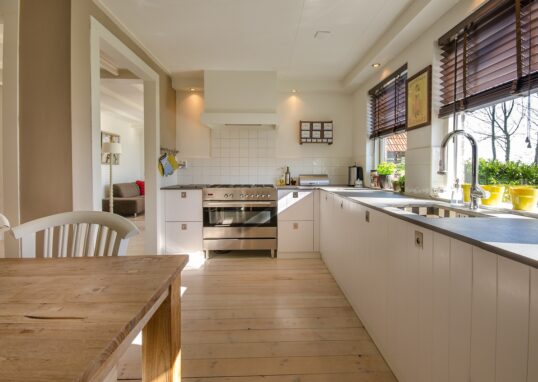
Kitchen Remodeling: Smart Planning and Budgeting Guide
- 0
- 975 words
You can transform your kitchen remodel into a more functional, stylish, and valuable space without guessing which changes matter most. A focused remodel...
Read out all
Tile Flooring Installation Services — Expert Residential and Commercial Solutions
- 0
- 711 words
You want durable, attractive floors that match your style and stand up to daily life. Whether you aim to update a kitchen...
Read out all
Toronto Home Renovation Contractors: Expert Tips for Hiring Trusted Professionals
- 0
- 827 words
You want a renovation partner who understands Toronto’s neighborhoods, code requirements, and the local trade network so your project finishes on time...
Read out all