
- 0
- 771 words
You can cut waste and free up space by dropping off recyclables at the right place, and knowing what each site accepts saves time and prevents contamination. Find a nearby drop-off that accepts your specific items—paper, plastics, electronics, or hard-to-recycle materials—and prepare them according to the facility’s rules so they actually get recycled.
This guide Recycling Drop Off shows how drop-off systems work, how to identify the best locations, and what to bring when you go. Use the tips to avoid common mistakes, make each trip more efficient, and increase the chances your materials get properly processed.
Understanding Recycling Drop Off
Recycle drop off lets you bring specific materials to designated sites when curbside pickup isn’t available or convenient. Sites accept a wider range of items and often require basic sorting or preparation before you arrive.
Types of Materials Accepted
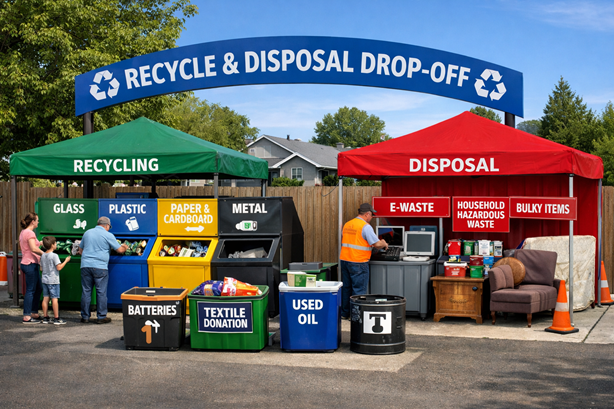
Drop-off centers commonly accept paper, cardboard, and mixed containers like glass, aluminum, and PET plastic. Many sites also take bulk or seasonal items that curbside programs won’t, such as electronics (e-waste), fluorescent tubes, and household hazardous waste (paints, solvents, batteries).
Some depots accept textile donations, small appliances, and automotive fluids; others offer dedicated bins for batteries and light bulbs. Check your local municipal or depot directory for exact lists and any size or quantity limits. Bring items clean and loose unless the facility specifically allows bagged material.
How Recycling Drop Off Works
You drive or walk to a transfer station, depot, or store drop-off point during posted hours. Staff or signage will direct you to the correct bay or container; larger facilities may require you to weigh materials or show proof of residency.
Prepare materials beforehand: flatten cardboard, rinse food containers, remove caps if required, and bundle paper separately. Some sites charge fees for oversized items or hazardous waste; others operate free for residents. Stay aware of seasonal schedule changes and special collection events for items like tires or electronics.
Differences Between Curbside Pickup and Drop Off
Curbside pickup offers scheduled convenience for common household recyclables and typically restricts material types to what local processors accept. Drop-off centers expand accepted items and can handle bulk or hazardous materials that trucks won’t take.
You control timing and sorting at drop-off, which can reduce contamination if you follow guidelines. However, drop-off requires travel and sometimes fees. Curbside generally requires less effort but may lead to higher contamination if residents leave soiled or mixed items.
Common Challenges and Solutions
Contamination—food residue, plastic bags, or non-recyclables—remains the top issue, causing loads to be rejected. Solution: rinse containers, keep materials loose, and follow local sorting rules displayed on facility websites or signs.
Limited hours and distance can deter use. Solution: locate alternative nearby sites, combine drop-off with errands, or use municipal events for hazardous items. Unexpected fees for electronics or tires can surprise you. Solution: check fee schedules online or call before you go.
Finding and Using Recycling Drop Off Locations
You can find nearby drop-off points, learn accepted materials, and prepare items so staff will accept them quickly. Knowing what to bring and when to go avoids rejected loads and extra trips.
Locating Your Nearest Facility
Search by postal code or city on provincial, municipal, or national maps (for example, Where to Recycle, municipal drop-off maps, or TerraCycle locators). Enter your address to see nearby depots, transfer stations, retail take-back points, and special-event collections.
Check each listing for accepted items and any provider-specific rules. Use official sites first (city recycling pages, provincial waste programs, or major operators like WM or SARCAN) to avoid outdated third-party entries. If in doubt, call the facility to confirm before driving.
Preparing Materials for Drop Off
Sort materials before you leave: paper, cardboard, metal, glass, and plastics in separate bags or boxes; electronics and hazardous items in clearly labeled containers. Remove food residue, flatten boxes, and tape loose parts to prevent spills or contamination.
Follow special handling rules: tape fluorescent tubes, seal used oil filters, and place lithium batteries in approved drop-off at hazardous-waste depots rather than general battery bins. Bring proof of residency or vehicle requirements if the site restricts access to residents only.
Hours of Operation and Accessibility
Confirm hours online or by phone; many depots have weekday and limited weekend hours, with separate windows for household hazardous waste or e-waste. Holiday schedules often change, so verify around statutory holidays.
Check site accessibility: some locations require a vehicle, have weight limits, or charge fees for certain items (tires, appliances). Note physical access needs—ramps, staff assistance, or size restrictions—so you can plan equipment or an extra person if needed.
Author

admin@cloudgenicsync.com