

- 0
- 1,055 word
You need to know how FDA imports affect your supply chain, product launches, and liability exposure. The FDA import controls entry of foods, drugs, devices, and other regulated goods through documentation, prior notice, inspections, and import alerts—so understanding these steps helps you avoid delays, refusals, and enforcement actions.
This post FDA Imports walks you through how shipments move from customs to FDA review, what paperwork and declarations matter, and which compliance requirements can trigger detentions or inspections. Expect clear, practical guidance that helps you spot risks and keep your imports moving.
FDA Imports Process
You must meet electronic filing, product-specific rules, and timing requirements to move FDA-regulated goods through U.S. ports. Expect FDA review of entry data, required prior notice for many items, precise product classification, and exact documentation submitted via ACE or a customs broker.
FDA Entry Review
When your customs entry transmits, Customs forwards the data to FDA for review through the Automated Commercial Environment (ACE). FDA checks the entry for compliance triggers such as registration status, prior notice, matching product description, and any applicable import alerts that could lead to automatic detention.
If FDA flags an issue, the shipment may be held or placed “on hold” pending inspection or paperwork. You have the right to provide evidence to refute a detention; you or your broker should prepare corrective documentation, lab results, or amended entry data quickly to expedite release.
Key actions for you: ensure establishment registration and user fees are current, verify product descriptors match FDA records, and monitor ACE/ITACS messages so you can respond to holds or FDA Requests for Information (RFI) within specified timeframes.
Prior Notice Requirements
You must submit prior notice for most food shipments before arrival, using the FDA Prior Notice System or via ACE. Prior notice requires specific data elements: product common name, quantity, shipment method, anticipated arrival, carrier information, and consignee details.
Timing matters: prior notice has strict windows—usually within a few days before arrival—and incorrect timing or missing fields can result in refusal of admission. Keep confirmation numbers and attach them to your entry filing to prove prior notice was accepted.
Use a licensed customs broker with FDA experience or an FDA-certified software provider to reduce errors. Maintain an auditable trail of submission receipts and corrections, since FDA will request these when reconciling entry and prior notice records.
Product Classification
You must classify your product accurately—food, dietary supplement, medical device, drug, cosmetic, or biologic—because each category follows different FDA rules. Classification determines required registrations, labeling standards, permit obligations, and whether additional agencies (e.g., USDA) have jurisdiction.
Identify the product’s intended use and formulation, because identical items can fall under different classifications depending on claims or active ingredients. For example, a topical product labeled with therapeutic claims becomes a drug or device rather than a cosmetic.
Document your classification rationale and supporting evidence (formulation, labeling, technical data). If FDA questions classification, be prepared to submit technical dossiers, safety data, or regulatory opinions to support your position and prevent detention.
Documentation and Submission
You must submit complete documentation electronically through ACE, including the customs entry, invoice, bill of lading, packing list, facility registration numbers, and prior notice confirmation where required. Missing or inconsistent documents cause delays or automatic detention under import alerts.
Maintain copies of: establishment registrations and renewals, product listings, Certificates of Analysis, labeling proofs, and any permits or exemptions. Provide translations for non-English documents and ensure numerical identifiers (e.g., FDA registration numbers) match across all records.
Work with a customs broker experienced in FDA-regulated imports to map required data fields and avoid mismatches. Monitor ACE and FDA IT systems for hold notifications, and respond swiftly with corrected filings or supplemental documentation to clear shipments.
Compliance Requirements for FDA-Regulated Imports
You must meet product-specific documentation, facility registration, and safety standards to clear U.S. entry. Expect requirements for accurate labeling, potential inspection and sampling, and formal detention or refusal steps if the goods fail to comply.
Labeling Standards
You must provide labels that accurately identify product name, ingredient or drug facts, net quantity, manufacturer/distributor name and address, and any required warning or usage statements. For foods, include Nutrition Facts or Supplement Facts as applicable and country of origin when required.
Medical devices need proper device identifiers and intended use statements; drugs require active ingredient listing and dosing instructions. Noncompliant labeling often triggers holds, so keep language consistent across paperwork, bills of lading, and customs entries.
Use these practical checks:
- Verify label text matches product specification sheets and customs entry exactly.
- Maintain English-language labeling unless an exemption applies.
- Keep batch/lot codes and expiration dates legible and on the shipping unit.
Document copies of labels, translations, and Certificates of Analysis with your entry package to reduce review time.
Inspection and Sampling Procedures
FDA inspection begins with document review and may escalate to physical examination or lab sampling. You should be prepared to provide prior notice for food imports and accessible registration numbers for facilities and products. Inspections often check for contamination, adulteration, misbranding, and proper temperature control.
If FDA collects samples, follow chain-of-custody and testing requirements; expect lab-confirmed results to determine disposition. Keep records of packaging, GMPs, and transport conditions for at least the period required by the product-specific regulation.
Practical steps:
- Maintain full traceability from manufacturing batch to shipment.
- Provide readily available Certificates of Analysis and stability data.
- Ensure carriers and ports can facilitate FDA access for inspections.
Timely cooperation and transparent records shorten examination times and reduce risk of further action.
Detention and Refusal Protocols
If FDA finds violations, it can detain, place on an Import Alert, or refuse admission. You will receive written Notice of Detention or Notice of Refusal of Admission that explains the basis and required corrective actions. The importer of record must either correct the violation, export the product, or destroy it under supervision.
You can offer evidence to refute a detention, including lab tests, corrective action records, or proof of prior compliance. Follow these steps immediately:
- File a prompt response with supporting documentation.
- Engage a U.S.-based agent or counsel if you lack local representation.
- Prepare for re-inspection or entry re-presentation after corrective measures.
Missing deadlines or failing to rebut evidence typically results in longer detentions, removal from commerce, or placement on import alert, which limits future entries.
Author

admin@cloudgenicsync.com
Related Posts
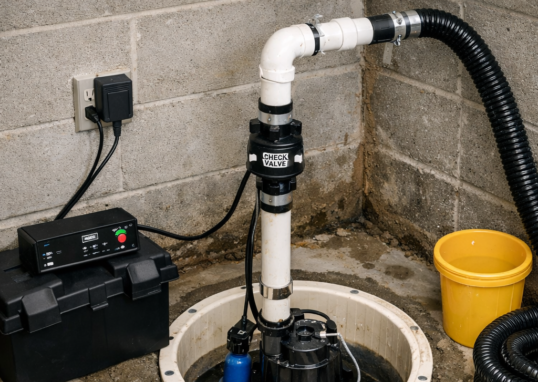
Sump Pump Installation: Professional Guide to Proper Setup and Maintenance
- 0
- 976 words
You can protect your basement from recurring water problems by installing a properly chosen and placed sump pump. A correctly installed sump pump...
Read out all